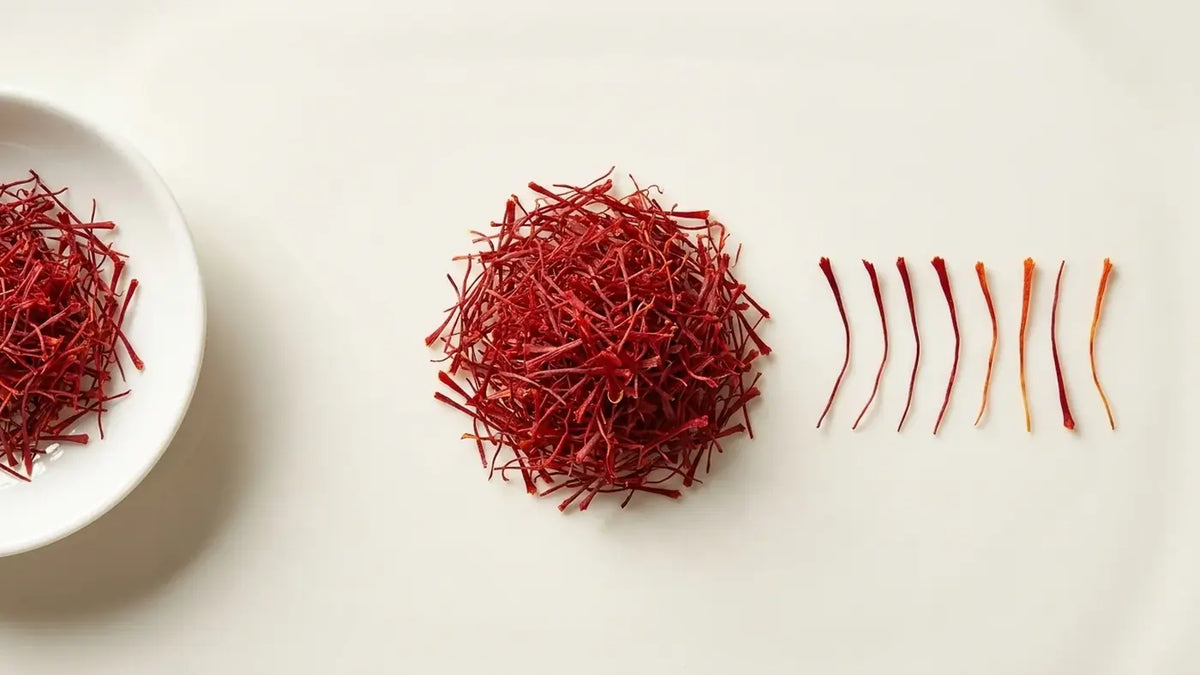
A saffron grade claim is a sentence a seller wrote about their own product. Words like Grade A, Premium, Extra and Category I cost nothing to print and are not audited by anyone. Without a dated laboratory report tied to the batch in the tin, the claim carries no more weight than the font it is set in.
This is not cynicism about the trade. Plenty of honest sellers use these words to mean something real. The problem is structural: buyers cannot tell the honest use from the decorative one, because both look identical on a product page.
What is a saffron grade claim actually claiming?
Usually one of three things, and the three get blurred together on purpose.
Sometimes it is a sorting claim — how the threads were cut and picked over. Sometimes it is a laboratory claim — an assertion about absorbance readings and an ISO category. And sometimes it is simply a market position, a word chosen because it sits above the competition on a listing page.
Only the second kind is falsifiable. A sorting claim can be judged loosely by eye. A market position cannot be judged at all. So when a listing says premium Category I Grade A saffron, it has stacked one verifiable claim between two decorative ones, and the decoration does the selling.
Which words are defined, and which are not?
| Label term | Defined by | Verifiable? | What to ask for |
|---|---|---|---|
| Category I / II / III | ISO 3632 | Yes, by laboratory reading | A dated report with the batch number and the three absorbance values |
| Grade A | No one | No | Ask what it means to them; there is no shared answer |
| Premium / Extra | No one | No | Nothing to ask for; treat as decoration |
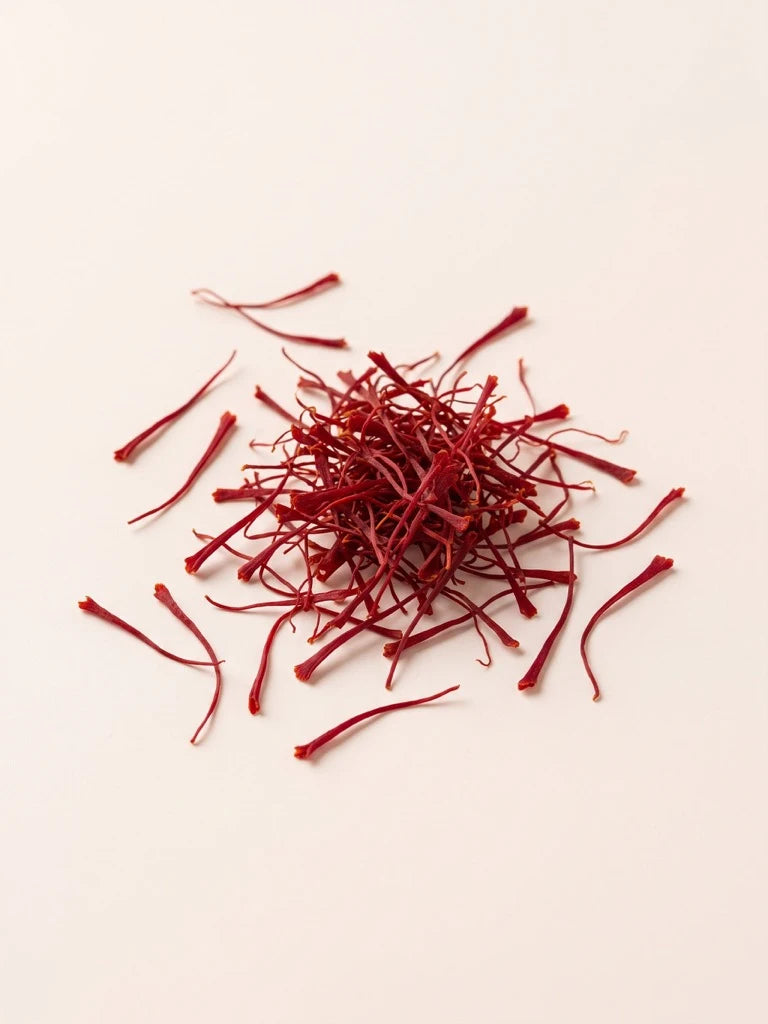
| Super Negin / Sargol / Coupe | Trade convention | Partly, by inspection | Clear photographs of the actual threads on white |
| All-red | Trade convention | Partly, by inspection | A photograph showing no pale tails |
| Harvest year | The producer | Only on trust | Harvest month and year stated on the pack, not just on the website |
Two rows are worth pausing on. Category I is the only term in the table with a published threshold behind it, set out in ISO 3632-1. And Grade A, the most common term of all, is the one with nothing behind it whatsoever.
What does a real certificate have to contain?
A screenshot of a number is not a certificate. A usable report has all of the following, and the absence of any one of them should slow you down.
- The name of the testing laboratory, with contact details you could actually use.
- A date of analysis. Colouring strength falls over time, so a five-year-old reading describes a batch that no longer exists.
- A batch or lot identifier that also appears on the pack you are buying.
- All three absorbance readings — colour at 440nm, bitterness at 257nm, safranal at 330nm — not just the flattering one.
- The method used, so the reading can be compared with someone else’s.
- Moisture and volatile matter, because a damp sample distorts everything else.
If a seller publishes one number and no date, they have published a headline. We walk through a real document line by line in how to read a saffron lab report.
Why do so many sellers skip the paperwork?
Cost and exposure, in that order.
Testing is a real expense per batch, and a small importer buying two or three lots a year has to absorb it against thin margins. That is the honest reason, and it is why plenty of decent saffron on the market has never been near a spectrophotometer.
The other reason is that a report is a commitment. Once you publish three numbers and a date, a customer can hold you to them next season. An unaudited adjective carries no such risk. Given a choice between a claim that can be checked and one that cannot, a seller optimising for conversion will reliably choose the second.
There is a regulatory backdrop too. Spices are among the categories where economically motivated adulteration is a recognised concern for the FDA, and label language is the weakest link in that chain, because it is the part nobody has to prove in advance.
So what do we claim ourselves?
Less than we could, deliberately.
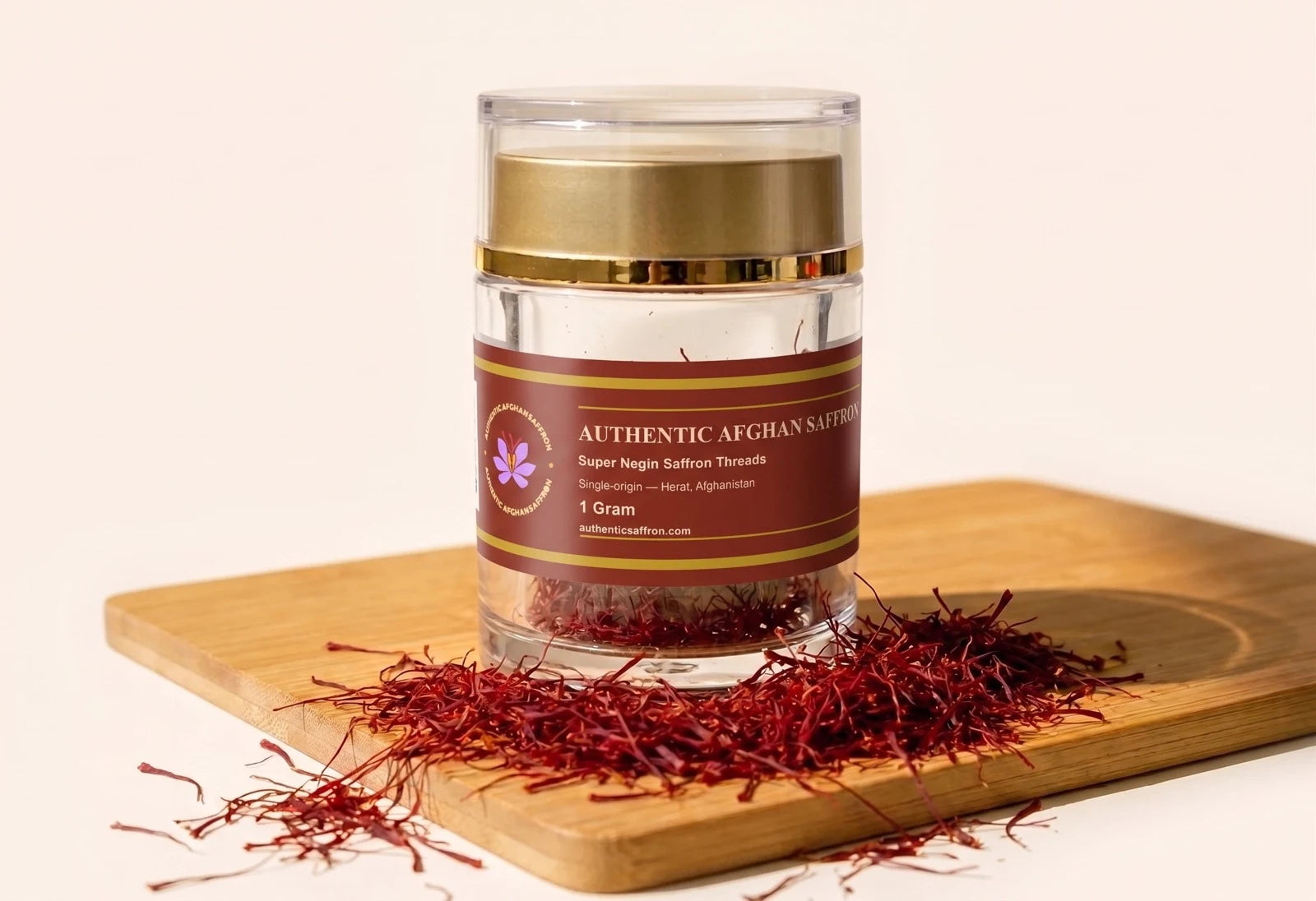
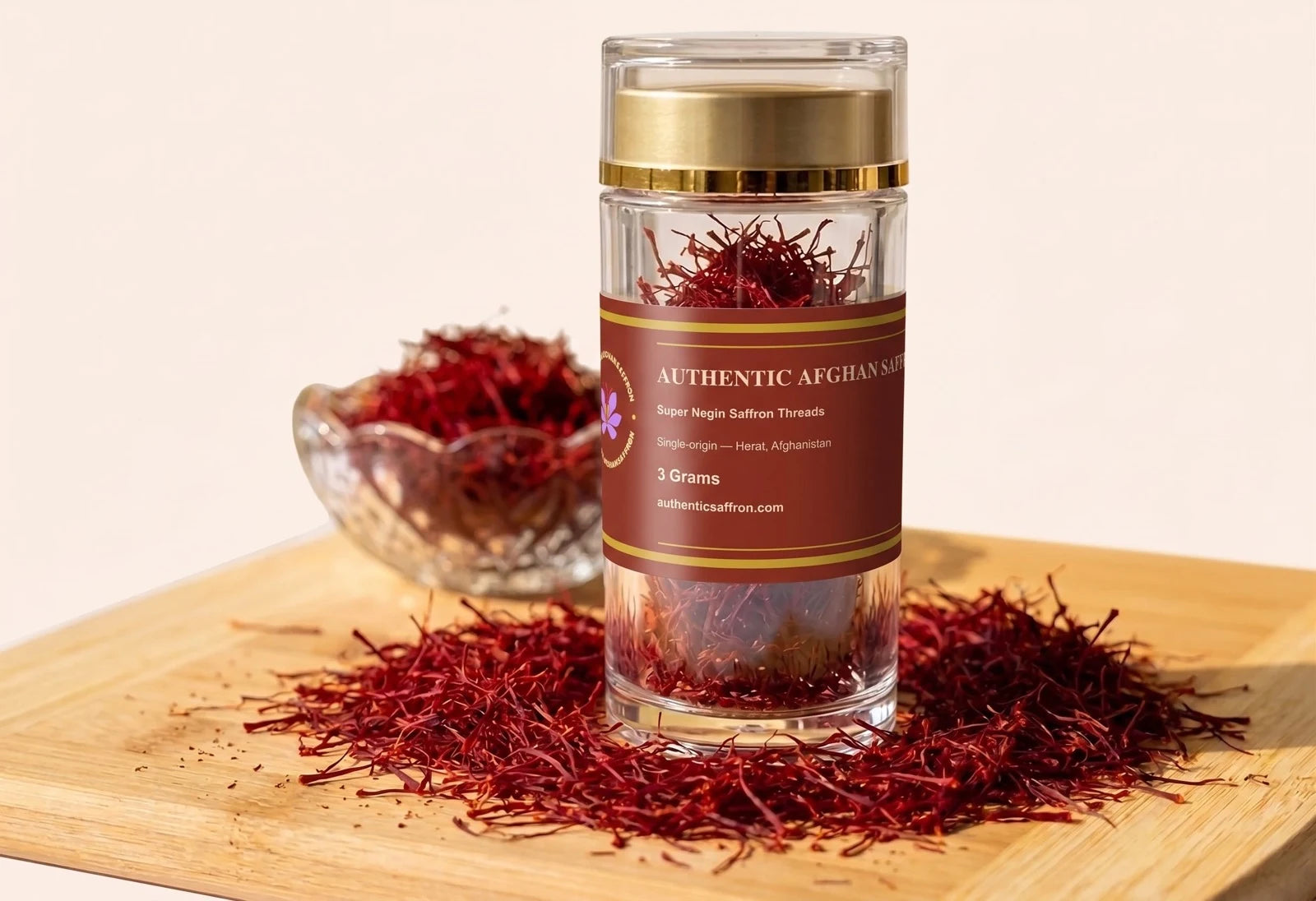
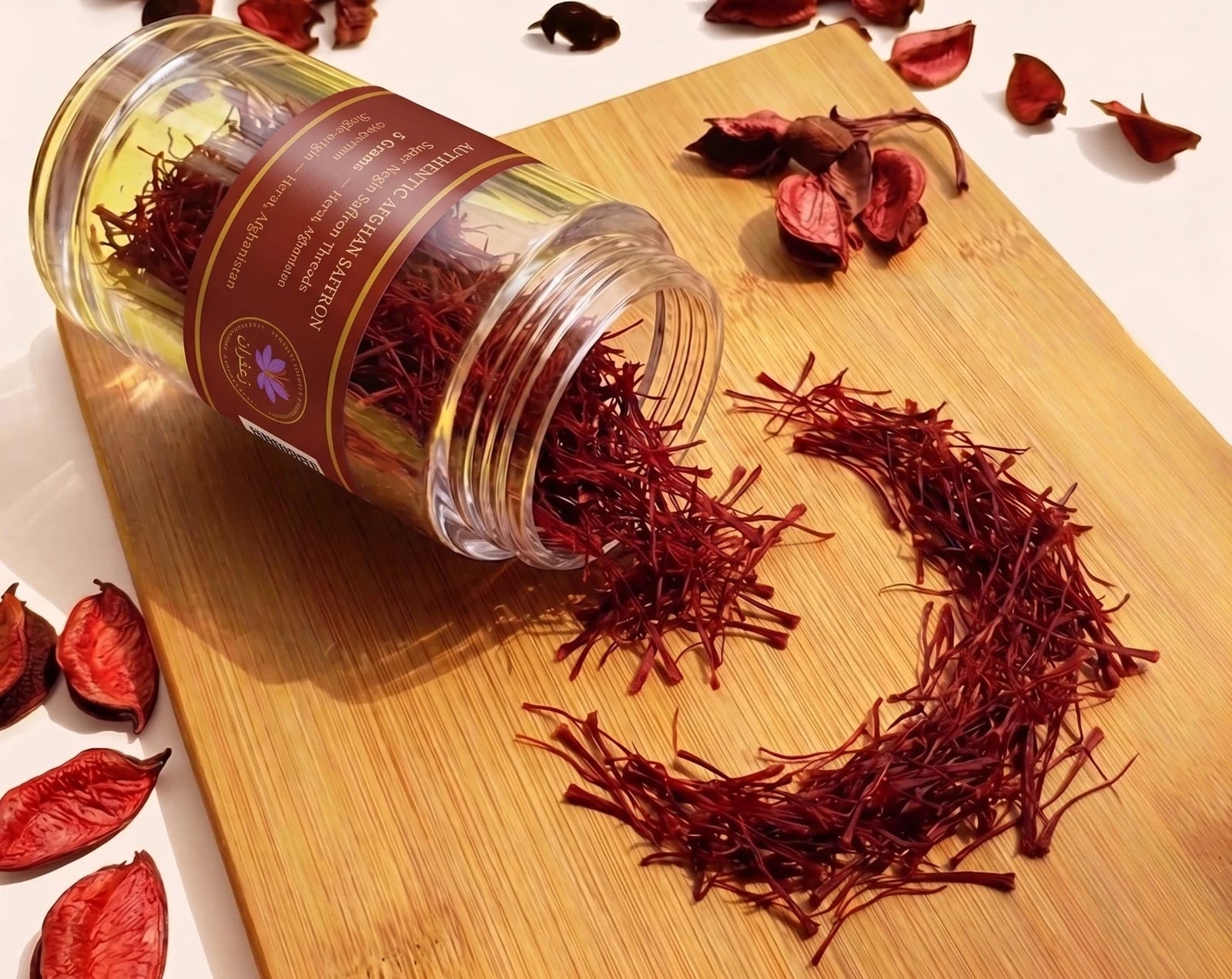
We describe our threads as single-origin Herat saffron, sorted to the Super Negin standard, and we say which harvest they came from. Those are things we can show you in a photograph and stand behind. Testing on the current harvest is underway, and when it is finished we will publish the report in full on our lab report page — all three readings, the date, the method, not a selected figure.
Until that document exists, we do not print a category on the pouch. It would be easy to. It would also make us exactly the thing this article is about. If you want to hold us to that, the grading and quality page is where the commitment lives.
What should you ask before you buy?
Four questions, in this order. A seller who answers all four is worth your money even if one answer is imperfect.
- What harvest is this from, and what month? Vagueness here usually means old stock or blended lots.
- Do you have a laboratory report for this batch, and may I see it? Not a report for a batch, this batch.
- What does your grade name mean in your own words? The answer tells you whether it is a sorting description or a slogan.
- Where was it grown, and can you name the region? Country-of-origin vagueness is the single most common tell.
Frequently asked questions
Is Grade A saffron a real standard?
No. Grade A has no defining body, no published threshold and no inspection behind it. Any seller can print it on any product. It is a marketing term that has been repeated often enough to sound official.
Can a seller legally claim Category I without testing?
Enforcement of spice label claims is inconsistent, so in practice untested Category I claims appear routinely. The absence of a penalty is not evidence the claim is true. Treat the category as unproven until a dated report is produced.
How old can a laboratory report be before it stops meaning anything?
There is no fixed cut-off, but colouring strength declines from the moment of harvest, so a report should belong to the harvest you are buying. A report from an earlier crop describes saffron you will never receive.
What if a small seller simply cannot afford testing?
That is a fair position, and the right response is to say so plainly rather than borrow the language of a test that was never run. Honest untested saffron is a reasonable product. Untested saffron sold as certified is not.