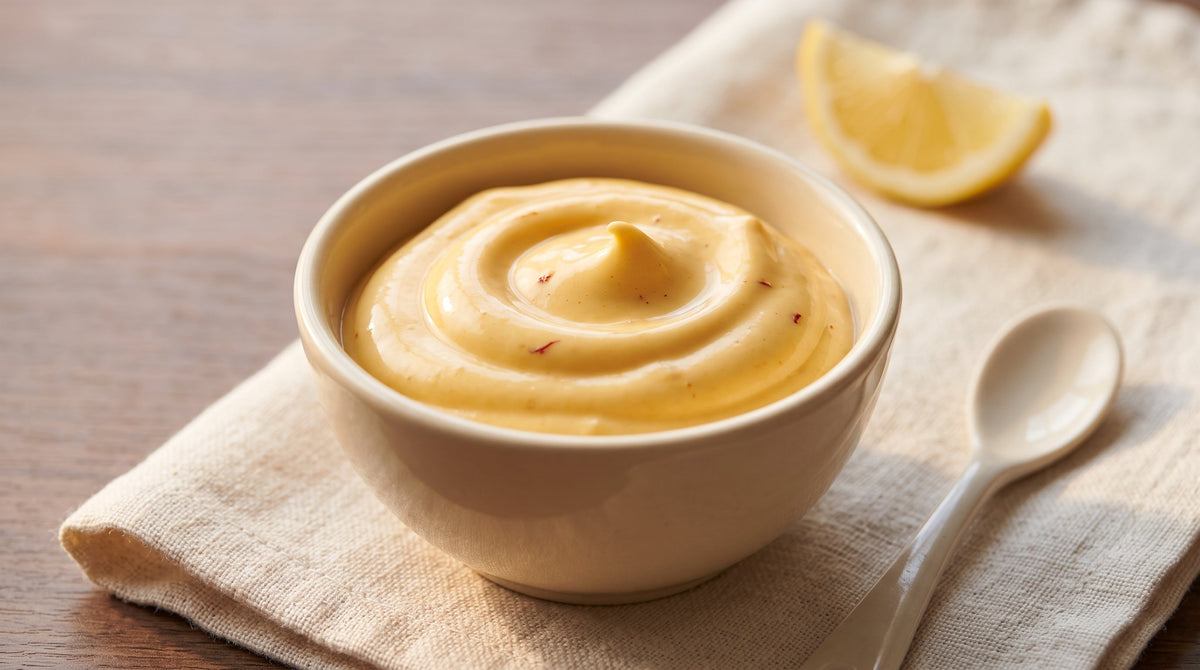
Saffron aioli is a garlic mayonnaise coloured and lifted by 20 threads — 0.08 g — bloomed in a tablespoon of warm water. Whisk two yolks with the bloom, then rain in a cup of oil, drop by drop at first. Twelve minutes by hand. It sits with fish soup, potatoes and grilled vegetables.
Why does saffron suit an emulsion?
Because an emulsion gives it two places to live. Crocin, the pigment, dissolves in the water phase — the yolk, the lemon, the bloom liquid. Safranal, the aroma, is at home in the oil. Once the two are whisked into a stable suspension, both are locked in and neither has anywhere to escape to. Nothing is heated at any point, so nothing is driven off.
That is why a spoonful of this tastes more saffron-forward than the same dose stirred into a hot pan of rice, and why the flavour is still there on day three. Cold fat is a remarkably good keeper.
Worth being accurate about what this is. True allioli in Catalonia and Provence is garlic and olive oil pounded in a mortar with salt and no egg at all. What almost every restaurant serves as aioli, and what this recipe makes, is a garlic mayonnaise. Saffron in a garlic emulsion alongside fish is nonetheless a real Mediterranean habit — rouille, the rust-coloured sauce that goes with bouillabaisse, is the close relative, though it leans on chilli and soaked bread rather than saffron alone.
How much saffron does a cup of aioli take?
Twenty threads, about 0.08 g, for the 1 1/4 cups this makes. Aioli is eaten in tablespoons, not ladlefuls, so the dose per mouthful is high even though the number looks small. Push to 30 threads only if the sauce is going against something assertive like grilled octopus or a heavily seasoned fish stew.
Bloom the threads in 1 tablespoon of water at about 150°F (65°C) for 15 minutes, covered, then let the cup come back to room temperature. Steaming water with no bubbles; a boiled kettle stood for four minutes is close enough. Boiling water strips the aroma, and warm liquid whisked into yolks starts to cook them.
That tablespoon is not just flavouring, it is structural. A mayonnaise needs a certain amount of water phase to carry its oil droplets, and two yolks plus a tablespoon of bloom plus a couple of teaspoons of lemon will comfortably hold about one cup of oil. Go much past that ratio and the emulsion runs out of water and splits. If you want a thinner sauce, add water, not oil.
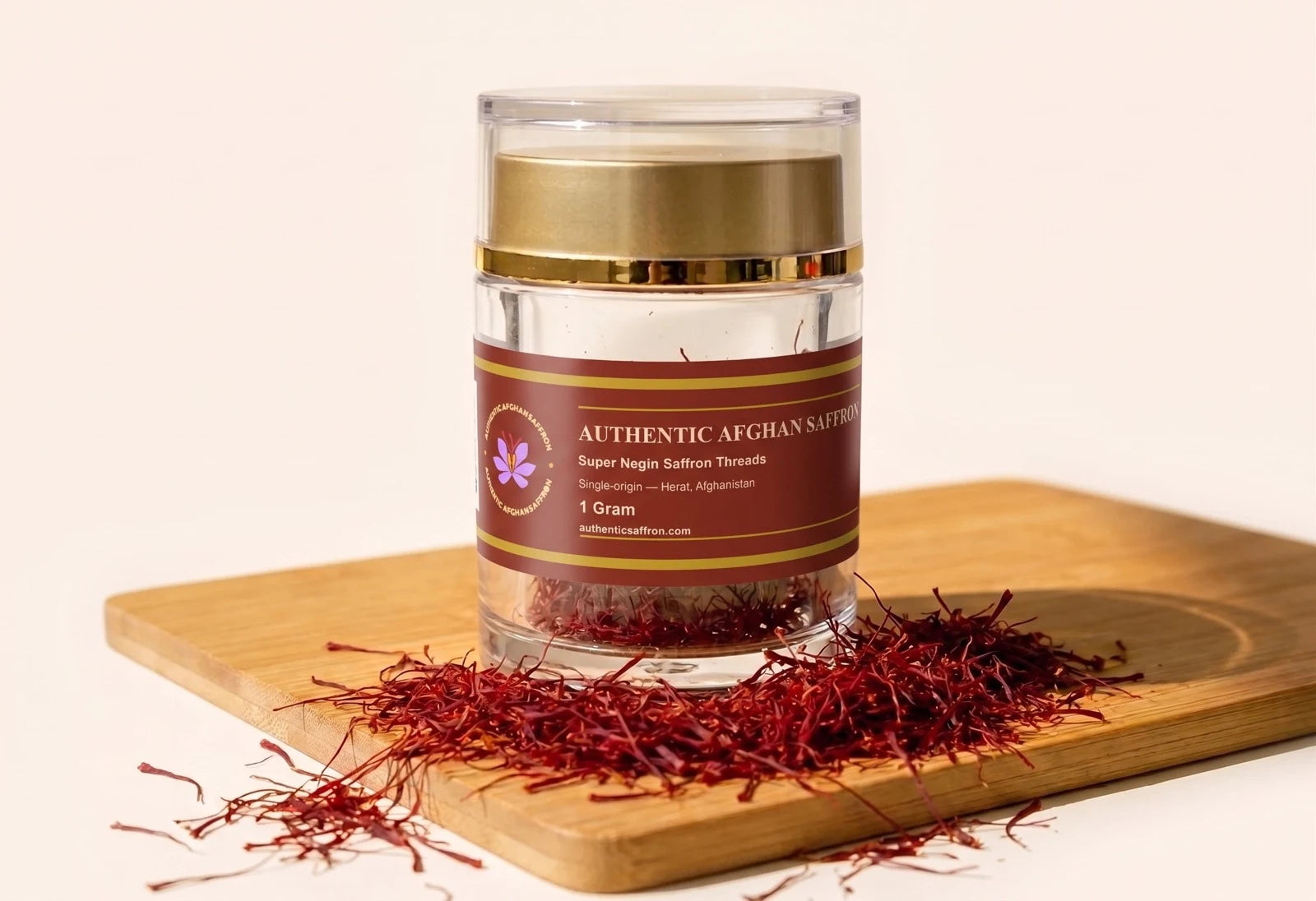
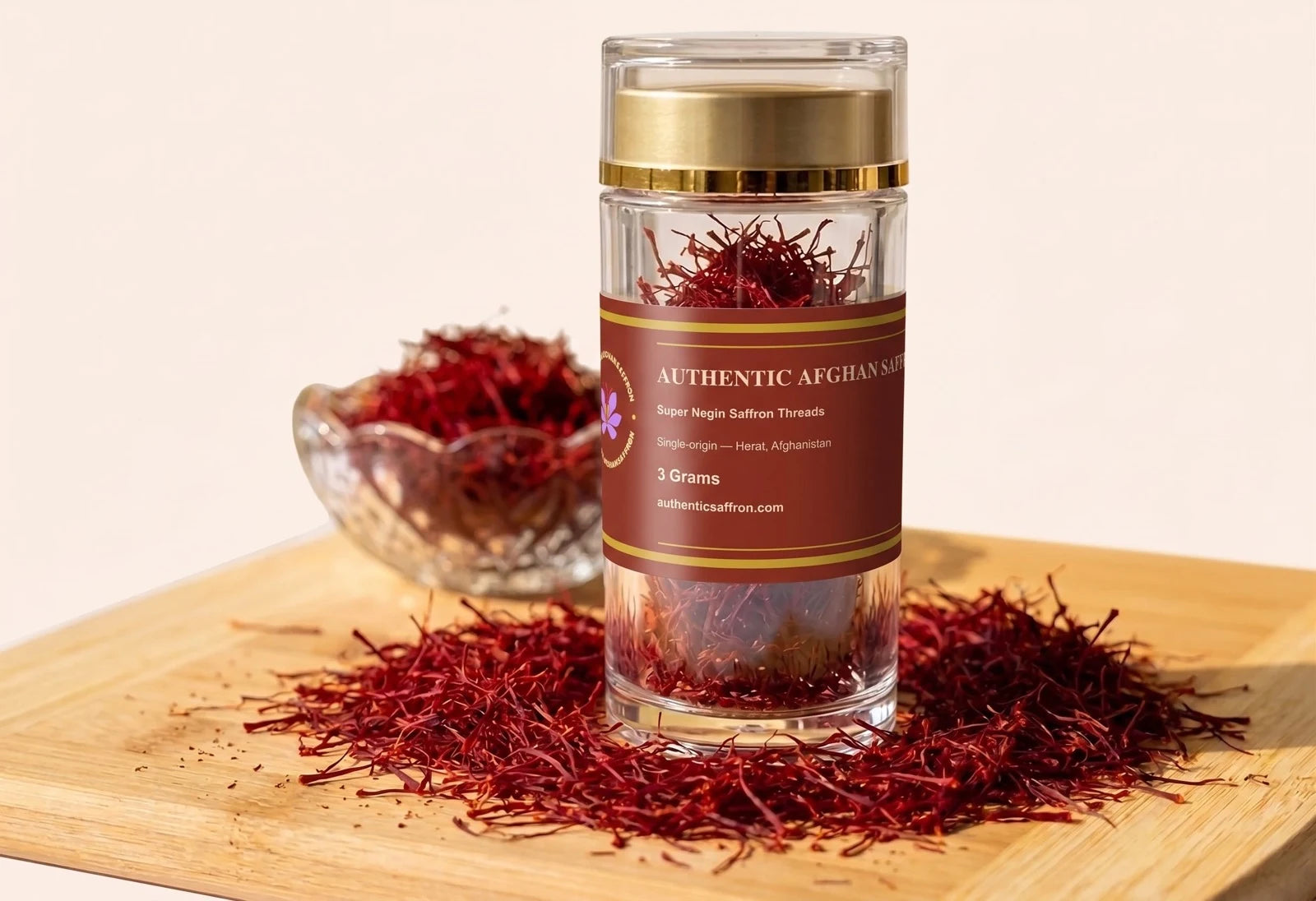
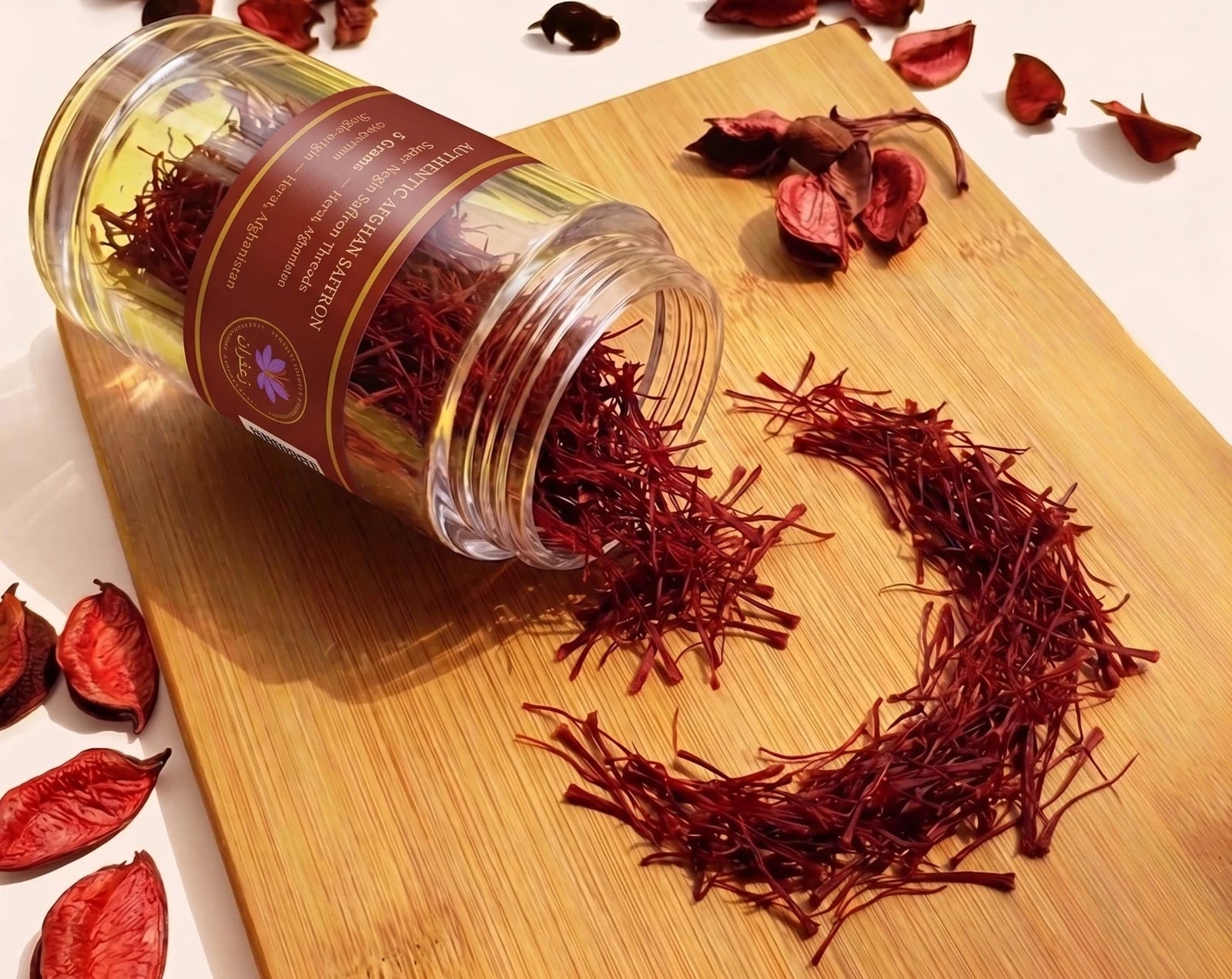
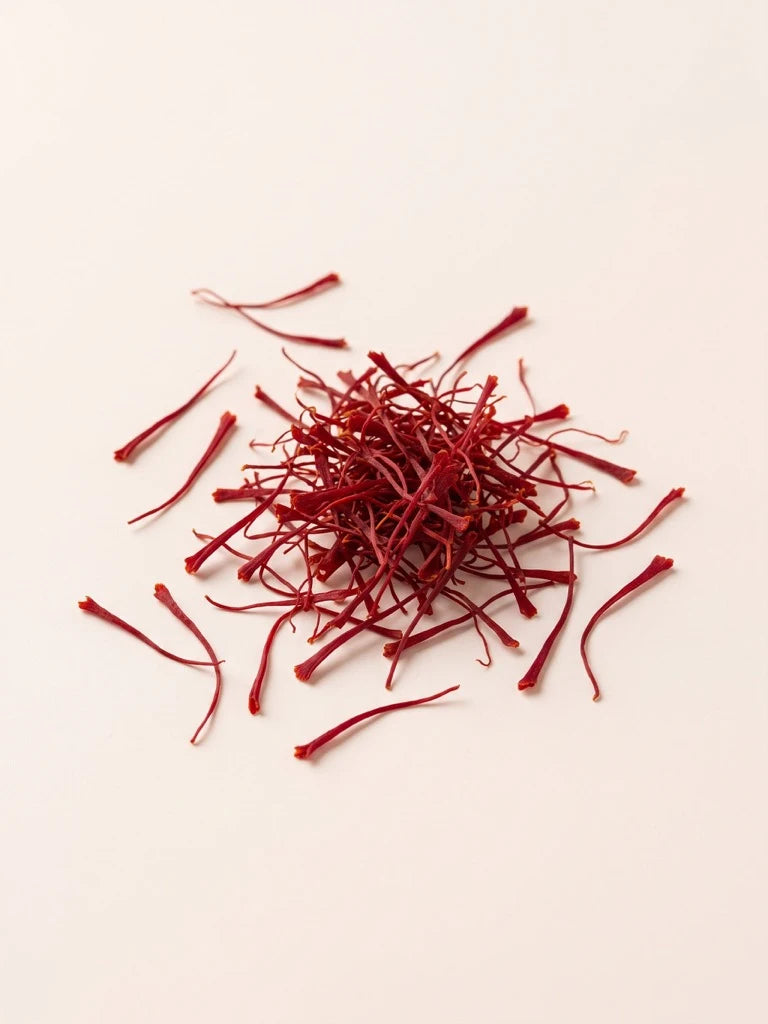
Use whole threads rather than powder here, because you can crush them into the bloom and see exactly what went in. Our note on threads versus powder explains why powder is the easier thing to adulterate, and the general dosing rules sit on our cooking with saffron page.
What do you need?
Two oils, not one. All extra virgin olive oil sounds authentic and tastes harsh, because whisking shears the droplets fine and releases the bitter polyphenols. Neutral oil does the volume; a quarter cup of good olive oil, added last and by hand, does the flavour.
- About 20 saffron threads (0.08 g)
- 1 tbsp (15 ml) water, for blooming
- 2 large egg yolks, at room temperature
- 1 small garlic clove, grated on a rasp
- 1 tsp Dijon mustard
- 2 tsp (10 ml) lemon juice, plus more to finish
- 180 ml (3/4 cup) neutral oil, such as grapeseed or sunflower
- 60 ml (1/4 cup) mild extra virgin olive oil
- 1/2 tsp fine sea salt
- 1 small pinch of cayenne, optional
How do you build the emulsion?
- Bloom the saffron and let it cool. Heat the tablespoon of water to about 150°F (65°C), steaming with no bubbles. Crumble the threads in, cover, and leave 15 minutes. Crush the softened threads against the cup with a teaspoon, then leave the cup to reach room temperature.
- Anchor the bowl. Set a medium metal or ceramic bowl on a damp tea towel twisted into a ring. Both hands are about to be busy, and a bowl that skates across the counter is how this goes wrong.
- Start the base. Whisk the yolks, mustard, garlic, salt and 1 tsp of the lemon juice with half the bloom liquid for 30 seconds, until the mixture turns sticky and a shade paler and clings to the whisk.
- Add the first quarter cup of oil drop by drop. Actual drops, from the tip of a spoon, whisking without pause. This takes two or three minutes and it is the only part that matters. When the mixture stiffens and holds the trail of the whisk for a second, the emulsion has formed.
- Move to a thin stream. Pour the rest of the neutral oil in a thread no thicker than string, still whisking. It will get stiff enough to stand a spoon in. Loosen it with the remaining bloom liquid and the second teaspoon of lemon.
- Finish with the olive oil by hand. Whisk in the 60 ml of extra virgin slowly, at the end. Never blitz olive oil in a machine, which shears it and turns the sauce bitter within seconds.
- Judge it. Correct aioli is pale apricot rather than yellow, holds a soft peak, and slumps slowly when the bowl is tilted. Taste and add salt, lemon and cayenne, remembering the garlic will get louder overnight.
- Rest it cold. Press cling film onto the surface and refrigerate at least an hour. The saffron colour deepens noticeably in that time and the garlic settles from sharp into round.
What do you do when it breaks?
A broken emulsion is unmistakable. One moment the bowl holds something thick and glossy, the next it is loose, translucent and greasy, usually within a single stroke of the whisk. It is not ruined.
- The rescue. Put a fresh yolk, or a teaspoon of warm water, in a clean bowl. Whisk it, then add the broken mixture drop by drop exactly as if it were oil. It comes back every time.
- The three causes. Cold yolks straight from the fridge, oil added faster than the emulsion can absorb it, or simply too much oil for the water available.
- Go easy on the garlic. One small clove. Raw garlic keeps getting stronger for a day, so two cloves at lunch is four cloves by dinner.
- Raw yolks. Use pasteurised eggs if you are serving anyone who has been advised to avoid raw egg, and keep the sauce refrigerated.
A stick blender works if you want the fast version: put everything except the olive oil in the tall cup that came with it, oil on top, lower the head to the base, blitz until the emulsion climbs, then lift slowly. Whisk the olive oil in afterwards, by hand. Keep the finished sauce three days, no longer.
Frequently asked questions
Is this the same thing as rouille?
No, though they are cousins. Rouille is built on red pepper, chilli and bread or potato soaked in stock, and its colour comes largely from paprika. This is a mayonnaise base with saffron doing the work. Rouille is coarser and hotter; saffron aioli is smoother and more floral.
Can I skip blooming and just crush the threads into the yolks?
You will get less than half the colour. Dry saffron in a fat-heavy sauce has almost no free water to release its pigment into, so you end up with orange specks suspended in a pale sauce. The tablespoon of bloom liquid is doing real work.
What is it best served with?
Fish soup and fish stew above all, then boiled new potatoes, grilled asparagus, roast cauliflower, prawns off a hot grill, and thick chips. It also makes a very good sandwich, though the saffron is largely wasted between two slices of bread.
How long does it keep?
Three days in the fridge in a sealed jar with the surface covered. It will not freeze — the emulsion splits on thawing and cannot be brought back. Make the amount you need, since the recipe halves cleanly to one yolk and half a cup of oil.
Read next
- Saffron fish stew — the bowl this belongs beside
- Saffron roasted vegetables — a plate to spoon it over
- Saffron in sweet versus savoury cooking — where the dose ceiling sits